Dark spots — those stubborn patches of brown, grey, or reddish discoloration that linger long after a breakout heals or a beach day ends — are one of the most common concerns we hear about at Kleo. The good news: hyperpigmentation is highly treatable when you understand what's causing it and pair the right actives with consistent sun protection. Below is the complete, no-nonsense roadmap our formulators and skin coaches recommend.
What Actually Causes Dark Spots?
Dark spots are caused by excess melanin production. Melanin is the pigment that gives skin its color, and your melanocytes (the cells that produce it) ramp up output whenever skin senses a threat. The most common triggers are UV exposure, hormonal shifts (pregnancy, birth control, perimenopause), post-inflammatory hyperpigmentation from acne or irritation, and heat from cooking, saunas, or even devices held against the face. Identifying the root cause matters because the treatment plan changes: sun-induced spots respond beautifully to topicals, while melasma needs a gentler, longer-term approach.
The Non-Negotiable First Step: Daily SPF
Every brightening routine starts and ends with sunscreen. Without daily broad-spectrum SPF 30+ — reapplied every two hours when you're outside — even the most aggressive serum is treading water. UVA rays penetrate window glass and clouds, which is why pigmentation can darken on your commute or while sitting near a sunny desk. Mineral sunscreens with zinc oxide are particularly protective against visible light, the wavelength most implicated in melasma. If you remember nothing else from this guide, remember this: SPF is the treatment.
The Active Ingredients That Actually Work
Brightening is a category crowded with claims, but a short list of ingredients has the clinical track record to back them up:
- Vitamin C (L-ascorbic acid 10–20%) — interrupts melanin synthesis and neutralizes the free radicals that cause oxidative pigmentation. Use it in the morning under SPF.
- Niacinamide (4–10%) — blocks melanosome transfer from melanocytes to skin cells, so pigment never reaches the surface. Gentle enough for daily use.
- Alpha arbutin and tranexamic acid — newer-generation brighteners that target stubborn melasma without the irritation of hydroquinone.
- Retinoids (retinol, retinal, tretinoin) — accelerate cell turnover so pigmented cells shed faster. Start two nights a week and build up.
- Exfoliating acids (glycolic, lactic, mandelic) — lift the top layer of pigmented skin and improve penetration of your serums.
Building a Routine That Won't Backfire
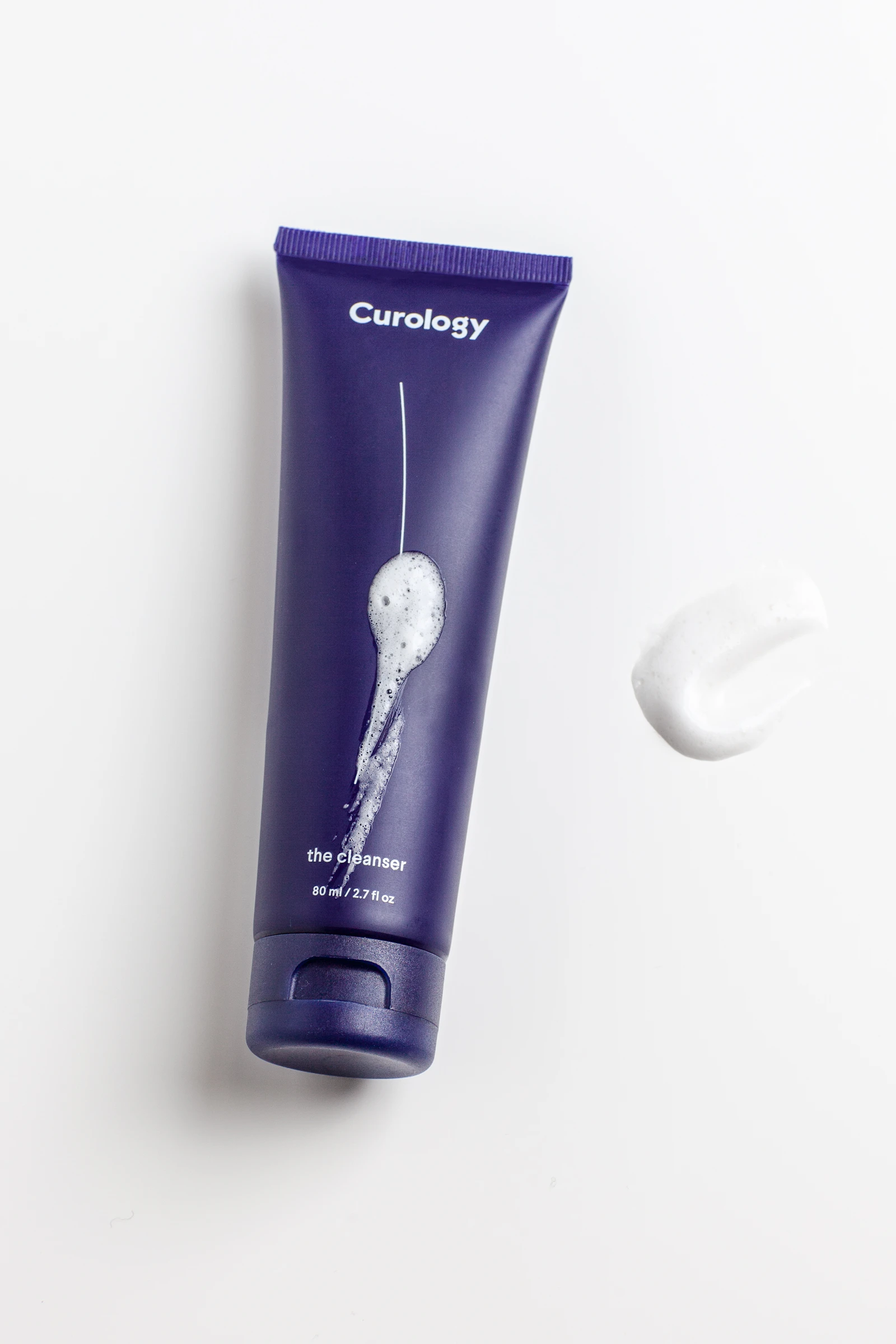
The biggest mistake we see is stacking too many actives at once. Combining a strong retinoid, daily acid exfoliant, and high-percentage vitamin C is a fast track to a compromised barrier — and an inflamed barrier produces more pigment, not less. A sustainable routine looks like this: vitamin C and SPF in the morning, a gentle hydrating cleanser at night, an active (retinoid or acid, alternating nights) two to four times a week, and a barrier-supporting moisturizer with niacinamide, ceramides, or peptides every single day. Patience is the active ingredient nobody talks about: meaningful fading takes 8 to 12 weeks of consistent use.
Post-Acne Marks vs. True Hyperpigmentation
Not every discoloration is the same. Red or purple marks left behind by a pimple are post-inflammatory erythema — broken capillaries that fade on their own in three to six months. Brown marks are post-inflammatory hyperpigmentation, which responds well to the actives above. If a spot has been there for more than a year and hasn't budged, or if borders are irregular or changing, see a board-certified dermatologist to rule out anything more serious. In-office treatments like chemical peels, microneedling, and pigment-targeted lasers can deliver dramatic results when topicals plateau.
Lifestyle Habits That Quietly Move the Needle
Topicals do the heavy lifting, but a few daily habits compound over time. Wear a wide-brimmed hat and UV-blocking sunglasses; reduce direct heat exposure to your face (yes, that includes the hot shower stream); take a daily antioxidant-rich diet seriously — leafy greens, berries, and omega-3s genuinely help. If you're on a medication that increases photosensitivity (some antibiotics, oral retinoids, certain blood pressure drugs), be extra vigilant with shade and reapplication.
When to Expect Results
Surface-level marks from a recent breakout can fade in 4 to 6 weeks. Older sun damage typically takes 8 to 12 weeks of consistent use. Melasma is a long game — think six months to see substantial improvement, and ongoing maintenance to keep it at bay. Track your progress with a weekly photo in the same light; subtle changes are hard to see in the mirror but obvious side-by-side. Most importantly, don't quit at week three because nothing has changed. Brightening rewards consistency, not intensity.
The Kleo Approach
Our formulations are built around the philosophy that brightening should never come at the cost of your barrier. We pair clinically-effective percentages of vitamin C, niacinamide, and tranexamic acid with calming botanicals and humectants — so you see real fading without the redness, peeling, or rebound pigmentation that aggressive routines often cause. Brighter skin is a marathon, not a sprint. Show up daily, protect what you've earned with SPF, and your reflection will reward you.