Turning 40 doesn't mean your skin gives up — but it does mean the rules change. Estrogen begins its long decline, collagen production slows to a crawl, cell turnover stretches from 28 days to 40 or more, and the cumulative weight of sun exposure, stress, and sleep debt finally starts to show. The routines that worked in your thirties — a basic cleanser, a moisturizer, sunscreen if you remembered — are no longer enough. The good news? The science of skin aging is well understood, and a focused routine built around a handful of proven actives can produce visible, lasting change at any age. Here's exactly what works after 40, and why.
What's Actually Happening to Your Skin After 40
Perimenopause typically begins in the early-to-mid forties, and the hormonal shifts that follow have a profound effect on the skin. Estrogen is one of the body's most powerful regulators of collagen production, skin hydration, and oil balance. As estrogen levels drop, collagen synthesis declines by roughly 30% in the first five years of menopause alone. Skin becomes thinner, drier, and more prone to fine lines and laxity. At the same time, melanocytes — the cells that produce pigment — start behaving erratically, which is why hyperpigmentation, sun spots, and uneven tone often appear or worsen during this decade. None of this is a failure of self-care. It's biology. But it does mean your routine has to evolve to meet your skin where it is now.
Step One: A Gentle, Hydrating Cleanser
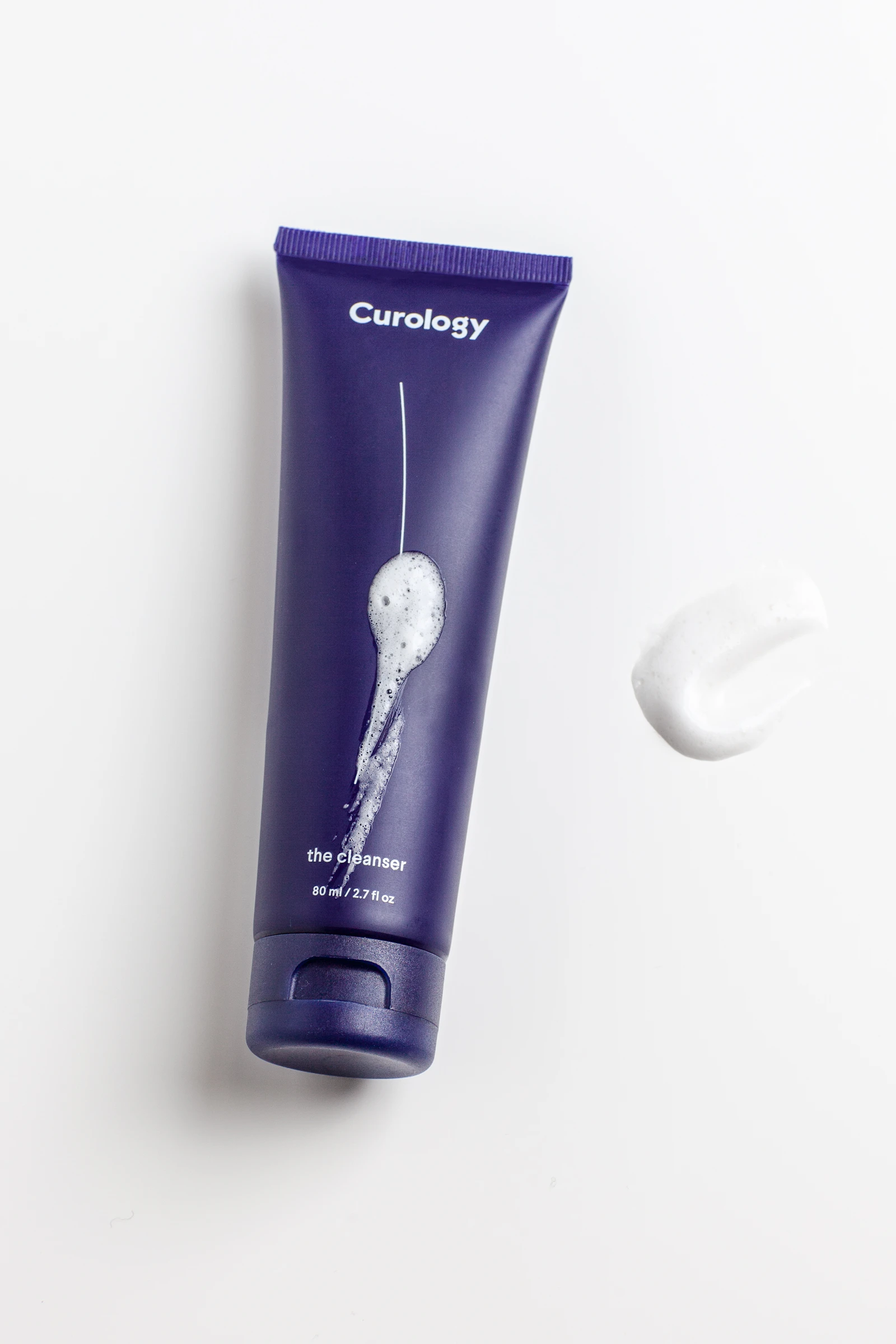
Stripping your skin with foaming sulfate cleansers — the kind that leave you feeling "squeaky clean" — is one of the fastest ways to accelerate visible aging after 40. Your barrier is already more fragile; harsh cleansers compromise it further, leading to dehydration, irritation, and a dull, papery appearance. Switch to a creamy or milky cleanser with a slightly acidic pH (around 5.5), and look for ingredients like glycerin, ceramides, or squalane. Cleanse once at night to remove sunscreen and the day's accumulation; in the morning, a splash of lukewarm water is often all you need.
Step Two: Vitamin C in the Morning
Vitamin C is the single most-studied antioxidant in skincare, and after 40 it earns its place as a daily essential. It neutralizes the free radicals generated by UV exposure and pollution — the same free radicals responsible for the breakdown of collagen and the formation of dark spots. It also brightens existing pigmentation and supports your skin's own collagen synthesis. Look for L-ascorbic acid at 10–20% in an opaque, air-tight bottle (it oxidizes rapidly when exposed to light and air). Apply a few drops to clean skin every morning before moisturizer and sunscreen. Within eight to twelve weeks, most people see meaningful improvements in brightness and tone.
Step Three: A Retinoid at Night
If you do only one anti-aging treatment, make it a retinoid. Vitamin A derivatives are the most extensively researched anti-aging ingredient in dermatology, with decades of evidence showing they increase cell turnover, stimulate collagen, fade pigmentation, refine pores, and soften fine lines. After 40, the question isn't whether to use a retinoid — it's which one and how often. Start with an over-the-counter retinol (0.3–1%) two nights a week and build up to nightly use over two to three months. If your skin tolerates it, ask your dermatologist about prescription tretinoin, which works faster and more dramatically. Apply a pea-sized amount to dry skin after cleansing, wait a few minutes, then follow with moisturizer. Expect an adjustment period of dryness and mild peeling — push through it gently; the results are worth it.
Step Four: Peptides for Daily Signaling
Peptides are short chains of amino acids that act as messengers, telling your skin cells to produce more collagen and elastin. They're a perfect complement to retinoids: where retinoids drive aggressive renewal, peptides provide steady, low-irritation support every day. Signal peptides like Matrixyl, copper peptides for repair, and neurotransmitter peptides like Argireline for expression lines can all be layered in a single serum. Use morning and evening under your moisturizer. After 40, you're playing the long game — peptides are one of the most reliable ways to maintain collagen density year over year.
Step Five: A Richer, Barrier-Supporting Moisturizer
The lightweight gel moisturizer that suited you at 30 probably isn't enough now. Estrogen decline means your skin produces less natural oil and loses water more rapidly through the epidermis. Switch to a moisturizer that combines humectants (glycerin, hyaluronic acid), occlusives (squalane, shea butter), and barrier-repairing ingredients (ceramides, cholesterol, fatty acids). Apply to slightly damp skin to lock in maximum hydration. If your skin still feels tight by midday, add a facial oil over the top at night — jojoba, rosehip, and marula are excellent options that absorb without feeling greasy.
Step Six: Broad-Spectrum SPF, Every Single Day
Up to 90% of visible skin aging is caused by UV exposure. That's not marketing — it's a figure from peer-reviewed dermatology research. After 40, daily sunscreen isn't optional, and it isn't just for sunny days. UVA rays, which drive the deep collagen breakdown responsible for wrinkles and sagging, penetrate clouds and windows year-round. Use a broad-spectrum SPF 30 or higher as the last step of your morning routine, every day, regardless of weather or season. Reapply every two hours if you're outside. The retinoids and peptides you're investing in won't deliver their full benefit if you skip this step.
What to Add (and What to Skip)
Beyond the core six steps, a few targeted additions can be worthwhile. A weekly exfoliating treatment with lactic or mandelic acid can help with texture and tone, but skip harsh scrubs and high-percentage glycolic acid — they're too aggressive for thinner, drier skin. Niacinamide (vitamin B3) at 4–5% supports the barrier, evens tone, and pairs well with everything in this routine. Eye creams with caffeine and peptides can help with puffiness and crepiness in the delicate undereye area. What to skip? Trendy multi-step Korean routines with ten layers of conflicting actives, anything labeled "instant lift" that relies on temporary tightening agents, and aggressive at-home devices unless your dermatologist specifically recommends them.
The Role of Lifestyle
No serum can fully compensate for chronic sleep deprivation, a sugar-heavy diet, or unmanaged stress — all of which accelerate skin aging through inflammation and hormonal disruption. Prioritize seven to eight hours of sleep, eat plenty of omega-3s and antioxidant-rich vegetables, stay well hydrated, and manage stress with whatever works for you (walks, breathwork, therapy, all of the above). If you're in perimenopause or menopause and your symptoms are significant, talk to your doctor about whether hormone replacement therapy is appropriate; for some women, it produces dramatic improvements in skin quality alongside its other benefits.
Realistic Timelines
Set expectations honestly. In the first four weeks, you'll likely notice your skin feels softer, more hydrated, and slightly more even in tone. By week eight, fine lines around the eyes and mouth begin to soften, and pigmentation starts to fade. By three to six months, the cumulative effects of retinoids and peptides become genuinely visible: firmer texture, brighter tone, fewer new lines forming. After a year of consistent use, the difference is often striking — not because your skin looks twenty, but because it looks like the best, healthiest version of itself at this age.
The Kleo Approach
We built our routine around exactly this framework: a gentle cleanser, a vitamin C serum, a multi-peptide complex, a barrier-rich moisturizer, and a broad-spectrum SPF — all formulated at clinically effective concentrations and designed to layer effortlessly. Because aging skin doesn't need more products. It needs the right ones, used consistently, for long enough to work. After 40, that's not just the smartest strategy. It's the only one that delivers.